Understanding the Context: The 2026 Warm Homes Plan and the Need for Green Heating
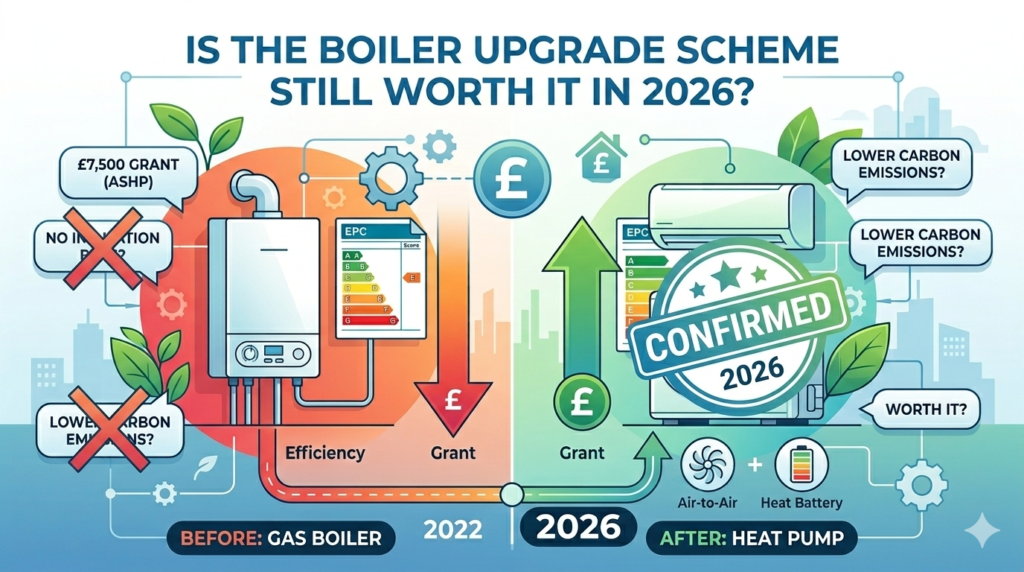
The landscape of domestic energy in the UK is undergoing a fundamental shift. Our traditional reliance on fossil fuels for heating, while reliable in the past, is now at odds with the national and global imperatives of achieving net-zero emissions. Home heating contributes significantly to carbon emissions, and addressing this is a cornerstone of the UK’s climate strategy. This is the bedrock of The 2026 Warm Homes Plan, a pivotal initiative set to accelerate the transition towards low-carbon solutions. A central component of this plan is the continued support for heat pumps, reinforced by significant financial incentives like the £7,500 grant, designed to make this technology more accessible to homeowners across the nation. Embracing this change isn’t just about environmental responsibility; it’s about future-proofing our homes and securing sustainable energy supplies.
Demystifying Heat Pumps: How They Work and Why They’re Key
Before diving into the grant details, it’s crucial to understand the technology being incentivised. A heat pump works on principles remarkably similar to your refrigerator, but in reverse. Instead of extracting heat from inside a box and releasing it into the room, a heat pump extracts heat from the outside environment (air, ground, or water) and concentrates it to warm your home and water. Even in the depths of a UK winter, there’s ambient heat that this technology can harness surprisingly effectively.
Efficiency and Environmental Impact: The Real Benefits
The core advantage of heat pumps lies in their efficiency. They can generate up to three to four times more heat energy than the electrical energy they consume. This means that for every unit of electricity put in, you get multiple units of heat out, significantly reducing running costs compared to traditional electric heating and making them highly competitive with modern gas boilers. Because they run on electricity, which is increasingly generated from renewable sources like wind and solar, their operational carbon footprint is substantially lower. This combination of efficiency and sustainability makes heat pumps a key player in the UK’s strategy under The 2026 Warm Homes Plan. By significantly reducing domestic reliance on natural gas and oil, heat pumps contribute directly to the reduction of carbon emissions from the housing sector.
Long-Term Financial Considerations: Beyond the Grant
While the initial installation cost can be higher than that of a gas boiler, even with the grant, the long-term financial picture is compelling. Reduced running costs can lead to significant savings on energy bills over the lifespan of the heat pump. Additionally, as fossil fuel prices become increasingly volatile and potentially subject to higher carbon pricing, heat pumps offer greater long-term price stability. Furthermore, installing a heat pump can potentially increase the value and energy performance certificate (EPC) rating of your property, an increasingly attractive feature for future buyers. It’s an investment, not just an expense, and The 2026 Warm Homes Plan recognizes this.
The £7,500 Heat Pump Grant: Your Path to Affordable Transition
At the heart of the government’s approach within The 2026 Warm Homes Plan is the substantial financial incentive to make the switch easier. The £7,500 grant, initially introduced as part of the Boiler Upgrade Scheme (BUS), is set to continue and be a pivotal part of the support landscape from 2026 onwards. This grant significantly reduces the upfront cost of installing an air source or ground source heat pump. Its primary purpose is to make this cleaner technology financially comparable to, or even cheaper than, replacing an old fossil fuel boiler with a modern equivalent. For air source heat pumps, this grant often covers a significant portion, if not the majority, of the total installation costs, making the decision to go green considerably simpler.
Specific Grant Details and Scope
It’s important to understand the nuances of the grant. As of currently projected terms linked to The 2026 Warm Homes Plan, the key details include:
- Fixed Amount: It is typically a flat-rate grant, ensuring clarity and predictability for applicants. The £7,500 amount applies specifically to air source heat pumps (ASHP) and biomass boilers, while ground source heat pumps (GSHP) might still attract a higher level of funding due to typically greater installation complexity. (Note: While biomass is included in BUS, the core focus of the plan is primarily on heat pumps).
- Property Type: The grant applies to existing domestic properties. In some cases, new builds might be excluded as developers are often expected to incorporate low-carbon heating from the outset, but custom-built homes may qualify.
- One Grant Per Property: Generally, you can only claim the grant once for a specific property.
- Replacement Focus: The primary goal is to replace existing fossil fuel systems (gas, oil, LPG) or old electric heating systems with a heat pump.
How to Determine Eligibility for The 2026 Warm Homes Plan Grant
To make the process clear, let’s outline who can likely apply for this substantial support under The 2026 Warm Homes Plan.
Property Eligibility
- Location: The scheme applies throughout England and Wales. (Scotland and Northern Ireland have their own distinct support mechanisms, although the broader objectives align).
- Property Ownership: You must either own the property yourself or be a private landlord. Social housing providers often have separate funding streams.
- Existing Heating System: The scheme is primarily designed to facilitate the replacement of existing fossil fuel heating systems (gas, oil, LPG, coal) or inefficient electric systems. If you already have a modern, efficient heat pump, you likely wouldn’t qualify for this specific grant.
- Building Regulations Compliance: The property must be in general compliance with local building regulations.
Energy Efficiency Requirements: Ensuring Maximum Benefit
- Valid EPC: A critical requirement is often a valid Energy Performance Certificate (EPC).
- Insulation Checks: A common condition attached to grants like this is that your home must have basic, cost-effective insulation installed, such as loft and cavity wall insulation, unless specific exemptions apply. This is logical – there’s little point installing an efficient heating system if heat is immediately escaping through an uninsulated structure. You can often check this on your existing EPC and might need to address any recommendations for insulation before or during the heat pump installation.
Navigating the Application Process: Step-by-Step Guide
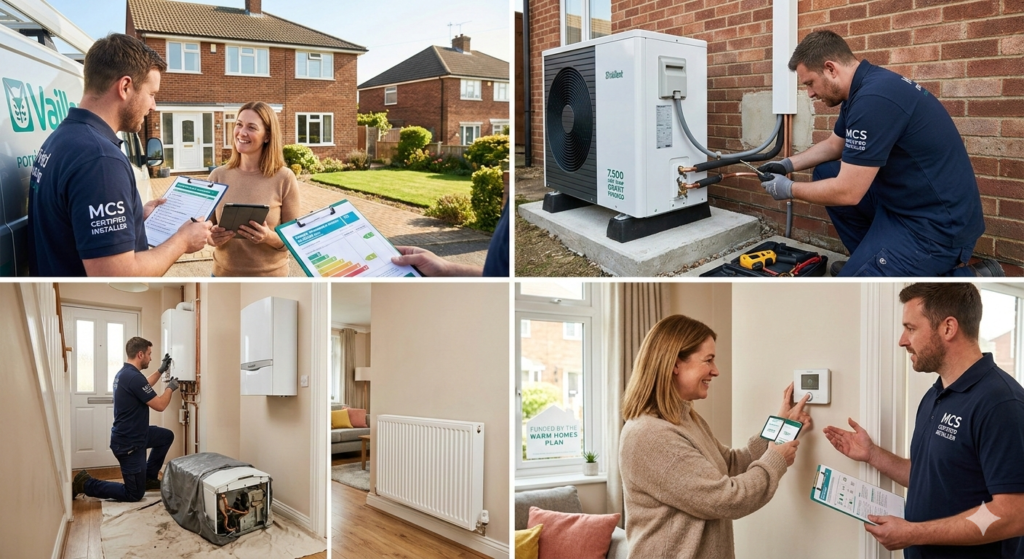
The process of claiming the £7,500 grant is designed to be relatively straightforward for the homeowner. Under the current and projected structure within The 2026 Warm Homes Plan, much of the administrative work is handled by the installer, minimizing the hassle for you.
Step 1: Finding an Eligible MSC-Certified Installer
This is perhaps the single most important step. To ensure the quality of installations and the legitimate use of public funds, you must use an installer who is certified under the Microgeneration Certification Scheme (MCS). The installer must also be registered to participate in the grant scheme.
- How to Find Installers:
- MCS Website: Use the installer search tool on the official MCS website. You can filter by technology type (e.g., air source heat pump) and location.
- Local Recommendations: Ask neighbors or friends who have had heat pumps installed. Ensure they used an MCS installer.
- Energy Saving Trust: Their website is a valuable resource and may have directories of approved providers.
Step 2: Requesting Quotes and Property Assessment
Once you’ve identified potential installers:
- Get Multiple Quotes: It’s highly advisable to obtain at least two or three comprehensive quotes from different MCS-certified companies. This allows you to compare not only prices but also the specific equipment proposed, the detailed scope of work, warranties, and estimated system performance.
- On-Site Survey: Any reputable installer will conduct a detailed on-site survey. This survey is crucial for:
- Accurately Sizing the Heat Pump: Ensuring the system is correctly matched to your home’s heating demand.
- Checking Existing Radiators/Pipework: Assessing if your existing heat emitters are suitable or if any upgrades (e.g., larger radiators, new pipes) are necessary for the heat pump to operate efficiently.
- Identifying the Ideal Location: Determining the best spot for the outdoor unit, considering noise, access, and aesthetics.
- Confirming Installation Practicalities: Assessing electricity supply capabilities and potential need for planning permission (though often covered by permitted development).
Step 3: Choosing Your Installer and Finalizing the Quote
Carefully review all quotes. Consider:
- Total Cost: Understand the full price, breakdown, and what’s included (equipment, labor, potential radiator changes, required EPC updates, decommissioning old boiler).
- Heat Pump Specification: Compare the quality, efficiency ratings (SCOP/SEER), and manufacturer warranties of the proposed units.
- Installer Reputation: Look for reviews and ensure you feel confident in their expertise and customer service.
- Proposed Timeline: Confirm the likely installation dates and duration.
Once you’ve made your choice, the installer will finalize the contract. Make sure you understand all the terms before signing.
Step 4: The Installer Applies for the Voucher
This is where the process becomes particularly convenient for the homeowner. It is the responsibility of your chosen MCS-certified installer to apply for the grant voucher on your behalf.
- Required Documentation: They will submit the necessary information, including details about your property, your choice of heat pump, the MCS certification, and confirmation that the property meets basic eligibility (including insulation if required).
- Grant Offer: After review, assuming eligibility is met and funding is available, the relevant authority will issue a voucher directly to the installer.
- Homeowner Confirmation: You may be asked to confirm to the grant administrator (e.g., Ofgem) that you intend to proceed with the installation by that specific company. This confirms the link between you, your chosen property, and the installer.
Step 5: Installation and Commissioning
With the voucher secured, the actual installation can proceed.
- Project Timeline: Installations typically take several days, depending on the complexity and any required changes to pipework or radiators. The installer should minimize disruption as much as possible.
- Commissioning and Training: Once installed, the installer will commission the system, ensuring it operates correctly and efficiently. Crucially, they should provide you with a comprehensive handover, explaining:
- How to control and maintain the system.
- How to optimize its performance (e.g., understanding flow temperatures, using thermostat controls effectively).
- What to do in case of any issues.
- Providing all relevant warranties and MCS certification documents.
Step 6: Completing the Process and Claiming the Grant Payment
After a successful installation and commissioning:
- MCS Certificate Issued: The installer will issue a formal MCS certificate for the installation. This is an essential document for proving the quality of the installation and for subsequent purposes (e.g., if you sell your home).
- Voucher Redemption: The installer will submit evidence to the grant administrator, including the MCS certificate, confirmation of property owner approval, and photo evidence, to redeem the voucher.
- Payment: The grant administrator will pay the £7,500 directly to the installer. This means you will only ever be required to pay the installer the net cost of the installation (the total price minus the £7,500 grant amount). You will not have to handle the grant funds yourself. This is a significant advantage of this streamlined process under The 2026 Warm Homes Plan.
Maximizing the Benefits and Value Beyond the Grant
While the grant significantly reduces the upfront cost, there are further steps you can take to maximize your long-term benefits.
Optimizing System Performance
A well-installed and well-operated heat pump is incredibly efficient, but correct usage is key.
- Flow Temperature: Heat pumps operate most efficiently at lower flow temperatures. Unlike gas boilers that often run with high-temperature water (e.g., 70°C), heat pumps typically operate with water closer to 35-50°C. Ensuring your radiators are sized correctly to heat your rooms at these lower temperatures is crucial. This is usually part of the installer’s initial assessment.
- Steady Use: Unlike boilers that are designed for quick bursts of high heat, heat pumps work best when left running for longer periods at lower intensities. Avoid constantly turning the heating off and then trying to rapidly reheat the home. Set the thermostat and let the heat pump maintain a comfortable, consistent temperature.
- Proper Control: Learn how to use your thermostat effectively. Programmable or smart thermostats can help optimize settings based on your lifestyle, ensuring comfort while minimizing waste.
Smart Tariffs and Energy Prices
Since heat pumps are powered by electricity, your running costs are directly linked to your electricity tariff.
- Time-of-Use Tariffs: Investigate ‘time-of-use’ or ‘smart’ tariffs. These tariffs offer lower electricity rates during off-peak hours, usually overnight. By scheduling your heat pump to do the bulk of its ‘heavy lifting’ (like heating your hot water cylinder or increasing the home’s background temperature) during these cheaper periods, you can significantly reduce your running costs. Some advanced heat pump controllers can automatically adjust based on these tariffs.
- Comparing Suppliers: Regularly compare electricity suppliers to ensure you’re on a competitive rate, even outside of smart tariffs.
Maintenance and Longevity
Heat pumps are generally reliable and long-lasting systems, often with a lifespan of 15-20+ years, significantly longer than many modern gas boilers. Regular maintenance is key to preserving this longevity and efficiency.
- Annual Servicing: Just like a gas boiler, your heat pump should have an annual service by a qualified technician. This typically involves cleaning filters, checking refrigerant levels, inspecting electrical components, and ensuring all settings are optimized. Some manufacturers require annual servicing to maintain their warranties.
- Simple Checks: There are simple checks you can do yourself, such as ensuring the outdoor unit is clear of leaves, debris, or snow, and checking pressure gauges if your system has them.
Frequently Asked Questions (Conversational)
Navigating the grant process for The 2026 Warm Homes Plan will understandably bring questions. Here are answers to some common conversational queries:
Is it really as simple as the installer doing all the paperwork?
Pretty much! The design of the grant scheme specifically aims to reduce the burden on homeowners. Once you select your certified installer, they are responsible for the voucher application, communication with Ofgem (or the grant body), and claiming the funds. Your main role is selecting the installer, confirming your interest, and paying the remaining balance.
Will £7,500 cover the entire cost of installing a heat pump?
In many cases, yes, particularly for typical air source heat pump installations in average-sized homes where extensive upgrades to radiators or pipework aren’t required. However, for larger homes, complex properties, ground source installations, or if significant work is needed to upgrade radiators and insulation, the total cost may exceed £7,500. In these instances, the grant acts as a substantial discount.
What if my property doesn’t have good insulation?
Proper insulation is crucial for efficient heat pump operation. If your EPC identifies a need for loft or cavity wall insulation, you will typically need to address this to be eligible. The grant scheme ensures that the investment in green heating isn’t undermined by heat escaping from an poorly insulated home.
Are ground source heat pumps also covered by this £7,500 grant?
The £7,500 grant is primarily associated with air source heat pumps and biomass boilers. While ground source heat pumps (GSHPs) are also part of The 2026 Warm Homes Plan support system, they often qualify for a higher grant amount, reflecting their typically higher installation costs and potential for even greater long-term efficiency. Always check the specific, current details for ground source systems with your chosen installer.
Will a heat pump still work effectively in very cold weather?
Yes, modern heat pumps are remarkably efficient even at low temperatures, with some operating effectively down to -20°C or lower. However, their efficiency does decrease slightly as the outside temperature drops, as they have to work harder to extract heat. The overall efficiency across the whole heating season (the SCOP rating) is the more important metric. A professional on-site survey will ensure the system is correctly sized to handle your property’s heating requirements even during the coldest spells.
Embracing the Transition: A Smarter, Greener Home
Transitioning away from fossil fuel heating isn’t just a regulatory requirement; it’s an opportunity. Embracing technologies supported by The 2026 Warm Homes Plan, such as heat pumps, puts you in control of a more efficient, sustainable, and potentially more cost-effective way to heat your home. By taking advantage of the substantial £7,500 grant, you can significantly reduce the initial financial barrier, making this transition a practical reality for your household. While navigating the process requires diligence in selecting a certified installer and understanding the steps, the potential rewards—both financially through energy savings and environmentally by reducing your carbon footprint—are significant. It’s a key part of the collective effort to create a cleaner, greener UK, one home at a time, and a central objective of the titlekeywords initiative. Start your journey today towards a warmer, smarter, and more sustainable future with the confidence that extensive support is available to guide you. It’s a positive step for both your home and the planet, truly reflecting the spirit of “title”.
Conclusion
Navigating the journey towards sustainable home heating can seem complex, but initiatives like The 2026 Warm Homes Plan and its substantial £7,500 grant are designed to simplify and financially support this vital transition. Understanding the core technology, eligibility requirements, and the streamlined, installer-led application process empowers you to embrace cleaner heating with confidence. Remember, the focus isn’t just on reducing upfront costs, but on securing long-term energy stability, increasing efficiency, and making a positive impact on our environment. With the support structure provided by the grant and the expertise of MCS-certified professionals, now is an excellent time to explore how a heat pump can transform your home. Start by getting quotes, assessing your home’s needs, and embarking on this exciting step towards a greener, more sustainable future for yourself and generations to come. This complete guide ensures you have all the key information to successfully claim your grant under