The landscape of the rental market is shifting dramatically. For years, environmental concerns and rising energy costs have dominated headlines. Now, these concerns are culminating in legislative action that directly impacts property owners. For landlords, the countdown has officially begun to Rental Reform 2026: What Landlords Must Do to Meet New Energy Standards.
This isn’t a suggestion; it’s a rapidly approaching legal mandate. Failing to prepare could mean more than just higher utility bills for your tenants; it could result in significant fines and an inability to legally rent out your property. This comprehensive guide, written with the expertise of seasoned property managers and energy compliance specialists, breaks down exactly what you need to know and, more importantly, what you need to do.
The Landscape: Understanding the Impending Shift
The drive behind these changes isn’t arbitrary. Governments worldwide are under immense pressure to meet climate targets. Housing is a significant contributor to carbon emissions, and the rental sector, in particular, has often lagged in efficiency improvements.
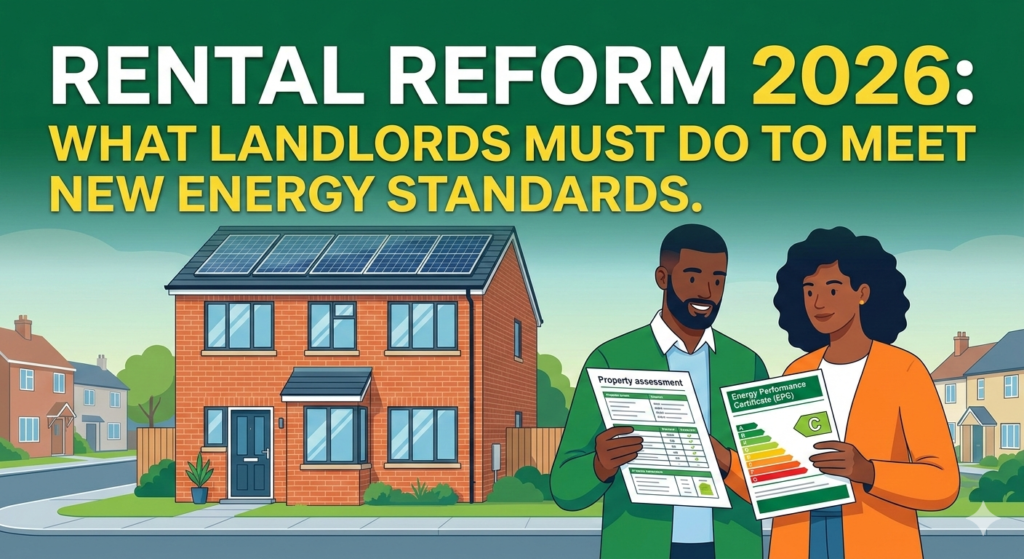
The primary goal of Rental Reform 2026: What Landlords Must Do to Meet New Energy Standards is to make rental properties more efficient. This is measured through the Energy Performance Certificate (EPC) rating. While current standards might only require a rating of E, the new regulations are set to raise this minimum threshold, likely to a C, by 2026 for new tenancies and 2028 for existing ones.
This change benefits the environment and tenants (who will enjoy lower bills) but poses a substantial challenge for landlords with older, less efficient properties. Understanding the baseline is the first step.
What is an EPC and Why Does it Matter Now?
The EPC is your property’s energy “nutrition label.” It rates a building’s efficiency on a scale from A (very efficient) to G (very inefficient).
In the context of the upcoming reforms, the EPC is no longer just a piece of paper you need to produce upon sale or rent. It is the yardstick by which your property will be judged. A rating below the new minimum will simply make your property un-rentable. This is the core reason why landlords must proactively prepare.
The Financial and Legal Reality of Non-Compliance
The motivation to comply isn’t just moral; it’s practical and financial. Local authorities are expected to have increased powers of enforcement. If your property doesn’t meet the new energy standards by the deadline, you could face:
- Substantial Fines: Penalties are expected to be much higher than they are currently, potentially reaching into the tens of thousands.
- Difficulty Securing Mortgages: Lenders are increasingly looking at the energy efficiency of a property when approving loans. A poor EPC could hurt your borrowing power.
- Reduced Property Value: In a market aware of these reforms, properties that don’t meet the standards will be less attractive to future buyers.
Action Plan: What Landlords Must Do to Meet New Energy Standards
The deadline may seem distant, but the work required can be significant. This isn’t something that can be fixed in a single weekend. Landlords must take a structured, proactive approach to avoid a last-minute panic and premium costs.
Step 1: Secure a Current EPC and Expert Audit
The first and most critical action you must take is to understand your current position. If your EPC is more than a couple of years old, get a fresh one. The rules for how ratings are calculated have changed, and your old rating might not be accurate today.
However, a standard EPC only provides a rating. You need to go further. We strongly advise scheduling a detailed energy audit with a qualified domestic energy assessor. This audit provides what the standard certificate lacks: a detailed, prioritized roadmap of recommendations tailored to your specific property. This report will be the foundation of your upgrade strategy for meeting the new energy standards.
Step 2: The Assessment and Prioritization
Not all improvements are created equal. Once you have your audit, you must prioritize. What offers the biggest impact on your EPC score for the least cost? We typically recommend focusing on the “fabric of the building” first. This means preventing heat from escaping before you invest in high-tech heating systems.
A common sequence of attack looks like this:
- Loft and Wall Insulation: This is almost always the highest priority and offers the quickest ROI. If heat is escaping through the roof, a new boiler won’t help.
- Windows and Doors: Ensure you have double or, ideally, triple glazing. Check for draughts around doors and letterboxes.
- Heating System: Upgrade old boilers. Installing a modern, highly efficient condensing gas boiler can jump an EPC rating significantly. If your property is all-electric, investigate advanced, high-heat retention storage heaters or air source heat pumps.
Step 3: Budgeting and Planning the Execution
These upgrades require capital. It is crucial to start budgeting now. Waiting until 2025 to find thousands of dollars/pounds will be incredibly stressful.
- Start a Reform Fund: Set aside a percentage of your monthly rental income specifically for these improvements.
- Explore Grants: Investigate government grants and local authority schemes aimed at improving home energy efficiency. (We will cover this further).
- Plan Around Tenancies: The best time to do disruptive work is during a void period between tenants.
Step 4: The Core Retrofits Explained
To help you move from a D or E rating up to a C, here is a breakdown of the most common and effective retrofits:
Standardizing the Fabric of the Building
This is the most crucial step and must come first. You need to improve the thermal performance of your property.
- Cavity Wall Insulation: If your property has cavity walls (common post-1920s), insulating them is one of the most cost-effective measures.
- Solid Wall Insulation: For older properties, this is more expensive and complex (requiring external cladding or internal lining), but it makes a massive difference to EPC scores and warmth.
- Upgrade Glazing: Double glazing is a standard expectation. Upgrading to A-rated double glazing (or triple glazing) is necessary for higher energy standards.
- Draught-Proofing: A professional seal on all windows, doors, chimneys, and floorboards is a quick win.
Modernizing the Heating Systems
Heating is a massive part of the EPC calculation. If you have done the insulation, now tackle the system.
- High-Efficiency Boiler: A modern A-rated condensing gas boiler is a huge upgrade over a model that is 10+ years old.
- Heating Controls: Smart thermostats, thermostatic radiator valves (TRVs), and proper programmers are essential. They don’t just save energy; they give tenants more control and comfort.
- Transitioning from Electric to Low-Carbon: For properties not on a gas grid, moving away from old-style electric storage heaters to advanced, high-retention models or an air-source heat pump is a massive (and often necessary) jump.
Integrating Green Energy Solutions
For some properties, traditional measures won’t be enough, or these options will offer the best “bang for your buck” to reach that C rating.
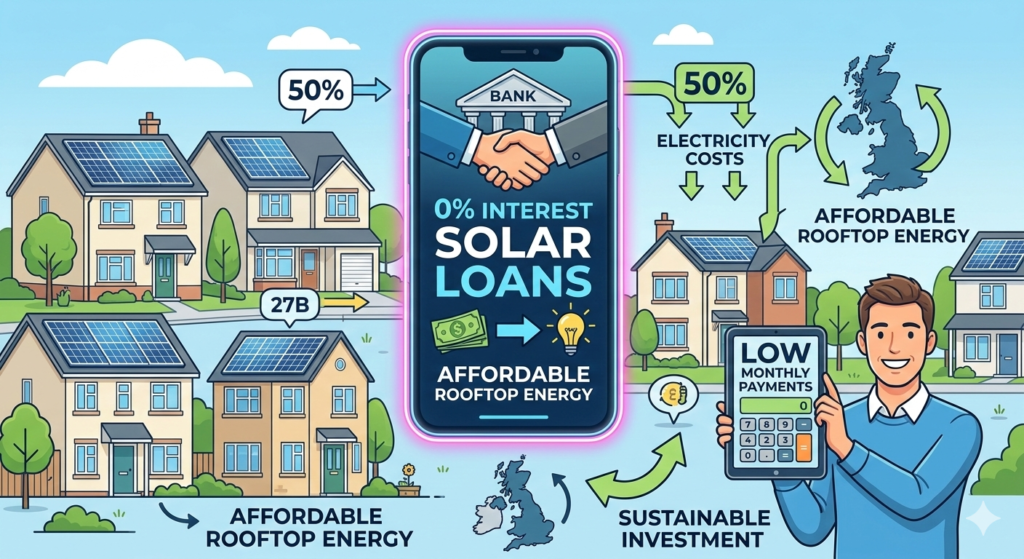
- Solar PV (Photovoltaics): Installing solar panels reduces reliance on the grid and can significantly boost an EPC.
- Heat Pumps: If your property is well-insulated, an air source heat pump (or ground source) is a highly efficient heating solution.
- Lighting: Ensure every bulb in the property is a high-efficiency LED. This is incredibly cheap and can still make a difference to the final score.
Mastering the New Standard: Practical Implementation
The technical upgrades are only half the battle. To truly succeed and avoid the pitfalls, landlords need a pragmatic and well-executed implementation plan. This isn’t just about spending money; it’s about smart management.
The Role of Voids and Property Turns
Trying to install solid wall insulation or replace all windows while a tenant is living in the property is a logistical nightmare. It will be stressful for the tenant and more expensive for you as workers attempt to work around furniture and daily life.
The golden rule is this: Utilize voids and property turns. The natural gap between tenancies is your window of opportunity. It allows work to be completed:
- Faster: Tradespeople have unimpeded access.
- Cheaper: Less down-time and easier working conditions.
- With Less Conflict: You completely avoid tenant disruption and the risk of noise complaints.
For minor upgrades (like LED bulbs or draft-proofing), you can schedule these with tenants in residence. But for major works, wait for a void. This means you need to look at your current leases and predict when they will end.
Partnering with Tenants for Success
Once the physical work is done, the battle isn’t over. A highly efficient property can still be expensive to run if the tenants don’t know how to use it. Part of compliance should be tenant education.
- Tenant User Guide: Create a simple guide that explains how to use the new smart thermostat, how to program the boiler, and why they should use the TRVs on the radiators.
- The ‘Eco’ Chat: At sign-up, explain the property’s features and how they can use them to save money on their bills. This is a powerful selling point that makes your property more attractive and ensures your investment isn’t wasted by a tenant running the heating at 25 degrees with the windows open.
Accessing Grants and Subsidies for Landlords
The financial burden can be reduced. Governments have a vested interest in helping you upgrade. In many regions (e.g., the UK), dedicated schemes exist, such as the Boiler Upgrade Scheme, the Energy Company Obligation (ECO), and various local council grants.
- Check Eligibility: These grants often have specific eligibility criteria based on the property location, current EPC rating, and sometimes the tenant’s circumstances.
- Stay Informed: New schemes can appear, and old ones change. Keep a regular eye on government energy saving websites. We advise searching for ‘energy efficiency grant for landlords’ in your specific region.
Conclusion: Turning a Challenge into a Competitive Advantage
The road to Rental Reform 2026: What Landlords Must Do to Meet New Energy Standards might seem daunting, but it’s crucial to shift your perspective. This isn’t a purely negative cost burden; it’s an opportunity.
The reforms are changing the fundamentals of the rental market. If you embrace these changes early, your portfolio will be:
- Legal: Fully compliant with all regulations, protecting you from crippling fines.
- Valuable: Properties with a C-rated EPC will be more desirable to buyers and have better access to financing.
- Profitable: Most importantly, they will be cheaper for tenants to live in. In a high-cost living environment, a property with a C rating vs an E rating could be the difference between attracting a long-term, stable tenant and dealing with high turnover. Your “eco-friendly” property is a major competitive advantage in a crowded market.
The deadline is real. The standards are non-negotiable. Now that you know what to do, it’s time to act.
Conversational Frequently Asked Questions (FAQs)
1. How much will these upgrades cost me?
This is the most common and difficult question. The cost varies dramatically based on your property type. Installing loft insulation and LED bulbs is very cheap. Solid wall insulation or an air-source heat pump can cost $10,000–$20,000+ per property. This is why a custom energy audit and prioritization are your first steps.
2. What if I simply can’t afford the upgrades?
For some landlords with specific older property types, the cost to reach a ‘C’ will be prohibitive. Governments usually offer an “exemption” clause. For example, if you can prove you have spent a maximum ‘cap’ (e.g., £10,000 in the UK) on improvements and still haven’t reached a ‘C,’ you may be able to register an exemption that lasts for a set number of years. This is not a guarantee and must be applied for.
3. Do I have to improve a property where a tenant is already living?
The regulations are expected to apply to new tenancies first (likely from April 2026). However, for existing tenancies, you will usually have an additional two years (e.g., 2028). You don’t have to improve a property with an existing tenant immediately, but you should plan to do it during the first void period after 2026.
4. Are the current EPCs accurate? My property is a ‘D’ but it’s very cold.
This is a valid point. The current ‘SAP’ methodology used for EPCs has weaknesses, especially with old storage heaters. However, the government will use this standard. The upcoming reforms are also likely to be accompanied by a change to the way EPCs are calculated to make them a more accurate reflection of a property’s true energy cost. This is why getting a current assessment from an expert is critical.